A child with ADHD often jumps into a task without thinking about how to carry it out. They start at the end, forget a step, or run out of materials halfway through. Planning, that is, the ability to organise an action before doing it, is often fragile in them. Here are some concrete exercises to help them think ahead before acting.
Planning means picturing the goal to be reached, then the steps needed to get there, in the right order. It also means anticipating what will be needed. For a child with ADHD, this thinking stage is often skipped. They want to act straight away. They end up stuck partway through.
Planning is part of the executive functions, which are often affected in ADHD. It can be trained with concrete, playful exercises. Visual tools also help. Little by little, they get into the habit of planning ahead. The role of these functions in the disorder is detailed on ADHD and executive functions.
We teach the child a simple method. First, I say what I want to do. Then, I list the steps. Next, I put them in order. Finally, I start. We practise on everyday tasks.
For example, preparing their snack. The goal: to have a slice of bread and butter and a glass of milk. The steps: take out the bread, the butter, the milk, a knife and a glass, then spread the butter, then pour the milk. The child says them before starting. They follow their plan. They succeed without forgetting anything.
Sequences of pictures showing the steps of an action make a good planning exercise. Brushing teeth, baking a cake, planting a seed. We mix up the pictures. The child puts them back in order. They explain why.
We can then ask them to draw the steps of an activity they know themselves. They have to think about the order. They break the action down. They mentally prepare the movement. This work continues with the page on getting organised with a list.
The only online directory dedicated to professionals working with Dys disorders
A step that is often forgotten is preparing the materials. Before starting homework or a craft project, we ask the child to list what they will need. They gather everything before starting. They no longer get up every two minutes. They stay focused on the task.
We can make it a game: we prepare a recipe or a craft project, and the child must gather everything in advance, without forgetting anything. We check together. They discover the value of planning ahead. They feel proud when nothing is missing. Preparing school bags is covered on the page on preparing your school bag.
Construction games with a model to copy require planning: what to start with, and in what order to place the pieces. Simple strategy games, such as noughts and crosses or draughts, require anticipating moves. The child learns to think before playing. They see the consequences of their choices. They make progress.
We can help by asking questions rather than giving the answer. What will happen if you play here? Which piece will you start with? They think. They find the answer. They learn to ask themselves these questions on their own. Other games are suggested on the page board games and ADHD.
For a longer project, such as a presentation or a craft project spread over several days, we split the work into steps spread over time. We note them on a calendar. Monday, I look for information. Tuesday, I make the plan. Wednesday, I write.
A tick against each completed step shows the progress made. They are not overwhelmed. They do not do everything the night before. They learn to manage a project. The calendar and timers are detailed on the page on managing time.
Planning can be worked on with a psychologist, notably as part of cognitive behavioural therapy, or with an occupational therapist. They offer methods suited to the child. They help them apply these in their everyday life. Parents leave with ideas. The work is consistent between sessions and at home.
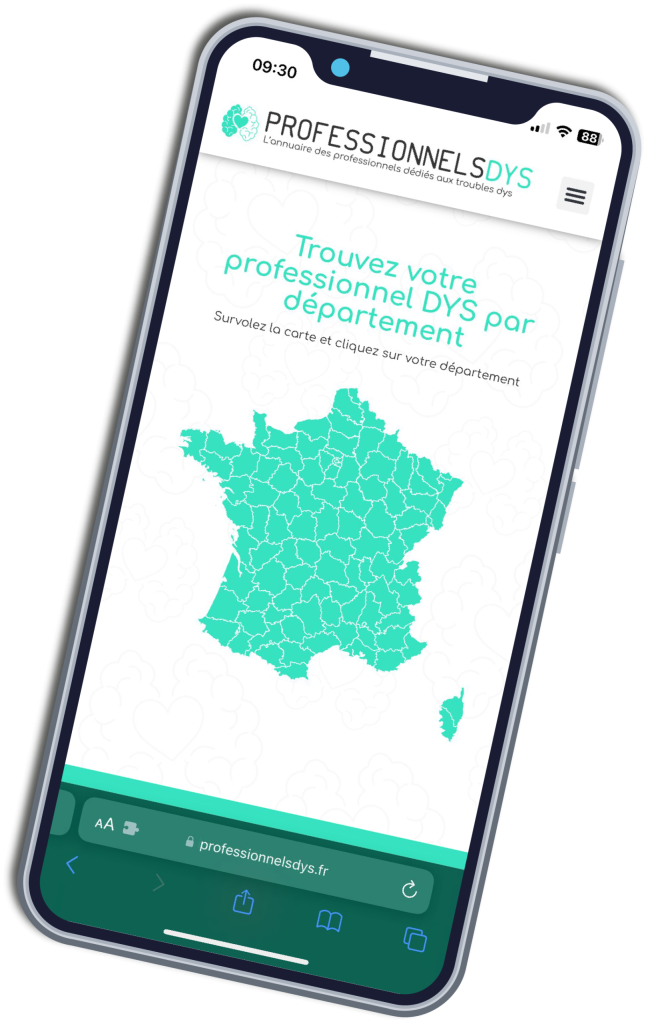
To find a psychologist or an occupational therapist near you, the ProfessionnelsDys directory lets you search by profession and by town. Their approaches are listed on their profile. Some specifically work on executive functions. Coaching, another possible approach, is presented on the page ADHD coaching.
A space for exchange, listening and support dedicated to parents of children with DYS disorders
It means picturing the goal, then the steps to reach it in the right order, and anticipating the materials needed.
Say what they want to do, list the steps, put them in order, then start.
By splitting the work into steps noted on a calendar, and ticking off each completed step.
Advice, favourites and DYS news every week.
Subscribe here.
Dysorthographie.fr
The number one media on Dys disorders