Letdah.fr a media powered by

the no.1 media on Dys disorders

ADHD exercise: getting organised with a list

The list is one of the simplest and most effective tools for a child with ADHD. It takes the place of working memory, which is often fragile. It breaks tasks down into steps. It makes it possible to see what is done and what remains. Here is how to use different lists in everyday life, and how to teach the child to create them independently.

Why lists help

A child with ADHD often forgets what they were supposed to do, or gets lost in the middle of a task. Their working memory quickly becomes overloaded. A written or illustrated list takes over. They no longer need to remember everything. They check the list. They know where they are.

Ticking off a completed step also brings a small sense of satisfaction. The child sees their progress. Each ticked box encourages them to tackle the next one. They feel the pride of having finished. The list becomes a tool for success. This link with memory is developed on the page about working memory.

The morning list

The morning is often a stressful time. An illustrated list of steps helps the child get organised. Getting up, getting dressed, having breakfast, brushing their teeth, putting on their shoes, picking up their schoolbag. Each step has a picture. They follow the list in order.

The list can be laminated and a wipe-clean pen used to tick items off. Or clothes pegs that are moved along. The child sees what they have done. They know what is left. The morning becomes smoother. The wake-up moment is covered on the page ADHD and getting ready in the morning.

The homework list

For homework, a list of tasks to do, in order, helps the child not to forget anything. It is drawn up together, looking at the planner. The easiest task can go first, so they start gently. They tick off each piece of homework once it is finished. They see the end approaching.

You can also note an estimated time for each task. The child knows how long they will spend on it. They organise themselves. They plan breaks. They save their energy. Organising homework is revisited on the page on doing homework.

The only online directory dedicated to professionals working with Dys disorders

The equipment list

A list of the equipment to take each day, displayed near the schoolbag, limits forgotten items. A different list can be made for each day of the week, according to the timetable. The child consults it when packing their bag. They tick off each item. They check before closing the bag.

Lists can also be made for activities: swimming bag, sports bag, bag for a sleepover at a friend’s. They stay in the bag. The child uses them every time. They become independent. They forget less. The packing routine is explained on the page on packing their schoolbag.

Learning to make your own lists

At first, the adult makes the lists. Gradually, the child is taught to make them themselves. They are helped to think: what do you need to do? In what order? What do you need? They write or draw. They become an active participant in their own organisation.

You can give them a notebook of their own, just for their lists. Or a simple app if they are older. They choose the medium they like. They use it more willingly. They build the habit. Planning, a preliminary step, is worked on the page on planning a task.

Lists for the whole family

Lists can also serve the whole family: shopping lists, household chores lists, weekend activity lists. The child takes part. They see that adults use lists too. They do not feel different. They pick up the tool naturally.

They can be given part of the shopping list, which they must find in the supermarket. They search, they tick. They feel useful. They are proud. At the same time, they learn to organise themselves. Other family activities are suggested on the page on family exercises.

A tool recommended by professionals

Lists are among the tools often recommended by psychologists, occupational therapists and coaches specialising in ADHD. They can help find the format best suited to the child. They support them in putting it into practice. They also suggest other organisational tools. Their advice often makes a real difference.

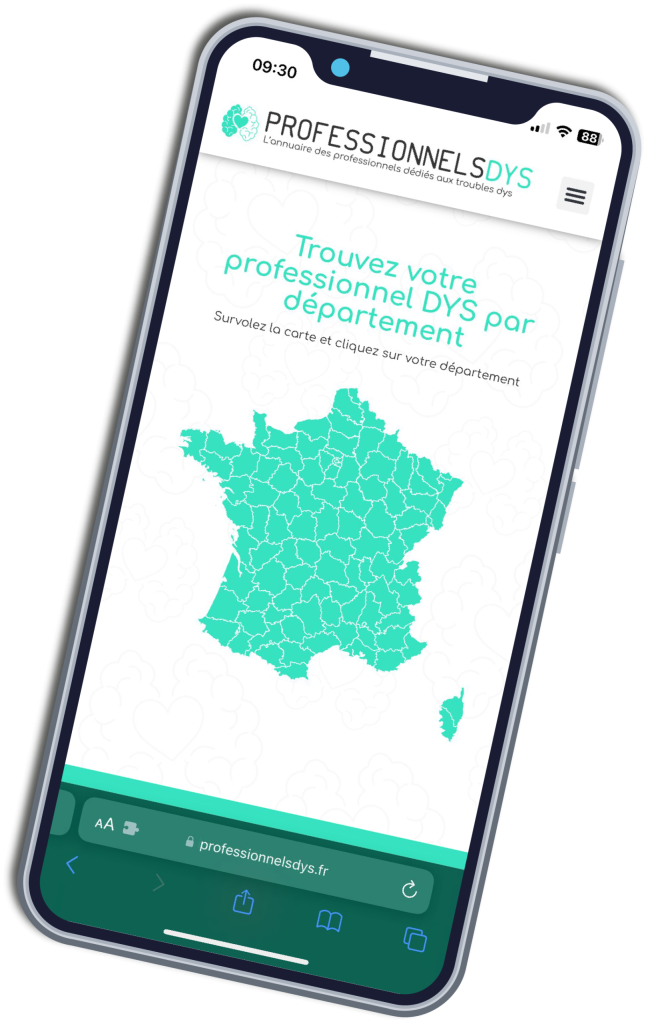
To find a professional who supports day-to-day organisation, the directory ProfessionnelsDys offers a search by town and by profession. The profiles present each professional’s methods. You can make your choice. Organisation at home is covered on the page ADHD and organisation.

Chat with parents of children with dys disorders

A space for exchange, listening and support dedicated to parents of children with DYS disorders

Frequently asked questions

Why do lists help a child with ADHD ?

Because they take the place of working memory, break tasks down, and show what is done and what remains.

Which list for the morning ?

An illustrated list of steps, laminated, where the child ticks off or moves a peg after each step completed.

How to help them make their own lists ?

By helping them think about what they need to do, in what order, and with a notebook or app that they like.

Discover the articles published recently

Advice, favourites and DYS news every week.

Subscribe here.

Dysorthographie.fr

A media from the LesDys.fr group

The number one media on Dys disorders