Letdah.fr a media powered by

the no.1 media on Dys disorders

Exercises for ADHD in nursery school

In nursery school, many children move around, talk loudly and switch from one game to another. Some do so much more than others, to the point of disrupting their life in class and at home. A diagnosis of ADHD is rarely made before the age of six, but these children can already be helped with suitable games. Here are simple exercises to work on attention, waiting and calm.

An age when everything moves

Between the ages of three and six, attention is naturally short and restlessness is frequent. It is therefore difficult to tell a child who is simply very lively from a child who has ADHD. The signs that draw attention are intensity and persistence: a child who can never stay seated, who often puts themselves in danger, who never finishes any activity. Observation takes place over several months. The teacher’s opinion counts for a great deal.

Even without a diagnosis, these children benefit from games that train attention and self-control. They do not solve everything, but they help. They also ease daily life. They strengthen the bond with the adult. The markers to watch for are described on the page signs of ADHD in nursery school.

The statue game

The statue game is a very useful classic. Everyone dances to music, and when it stops, everyone freezes. The child who moves gets a funny forfeit. They discover that they can stop their momentum on command. It works on body control.

The instructions can be varied: freeze on one foot, as an animal, arms in the air. The time spent still is gradually extended. You start with three seconds. You work up to ten. Stopping on a signal is developed on the page about the red light, stop game.

Memory and observation games

Memory, with few pairs at first, requires staying attentive to the cards turned over by others. The child must look, remember, and wait their turn. Start with four pairs. Add more when they succeed. They love finding the pairs.

Seek-and-find games, in books or on pictures, train visual attention. Where is the cat? Where is the red ball? The child searches. They concentrate for a few minutes. They are proud to find things. Other games of this kind are listed on the page on spotting a target among others.

The only online directory dedicated to professionals working with Dys disorders

Action songs

Action songs require listening and making the right movement at the right moment. They train auditory attention and coordination. The child sings, moves, and has fun. They must also follow the group’s rhythm. They learn to fall in step with others.

You can slow the song down or speed it up to keep the child attentive. You can also stop in the middle, and they must freeze. They laugh a lot. For them, it is just a song. These listening games continue on the page on listening all the way through.

Waiting your turn while playing

Waiting is often very difficult for a restless child. Simple board games, such as snakes and ladders or ludo, require waiting your turn. You help by naming clearly whose turn it is: it’s my go, it’s your go. You can use an object that is passed from hand to hand. Whoever holds it plays.

Start with very short games, with few players. The wait is brief. The child manages to be patient. Then you gradually lengthen it. Praise them each time they wait. For more ideas, see the page on waiting your turn.

Routines in pictures

Young restless children are often reassured by clear routines. A picture chart of the day, or of the steps of the morning, helps them know what comes next. They are less scattered. They protest less. They become more independent.

You can make a chart for bedtime: bath, pyjamas, teeth, story, sleep. The child follows the pictures. They turn over each card once the step is done. They are proud of their chart. The evening organisation is developed on the page on exercises before bedtime.

When to seek advice

If the child’s restlessness or inattention is very marked, persists and seriously disrupts their life at school or at home, it is worth talking to the GP. They can refer you to a paediatrician, a child psychiatrist or a paediatric neurologist. A psychomotor therapist can also help the child, even without a diagnosis. Parents can benefit from parent guidance. They feel less alone.

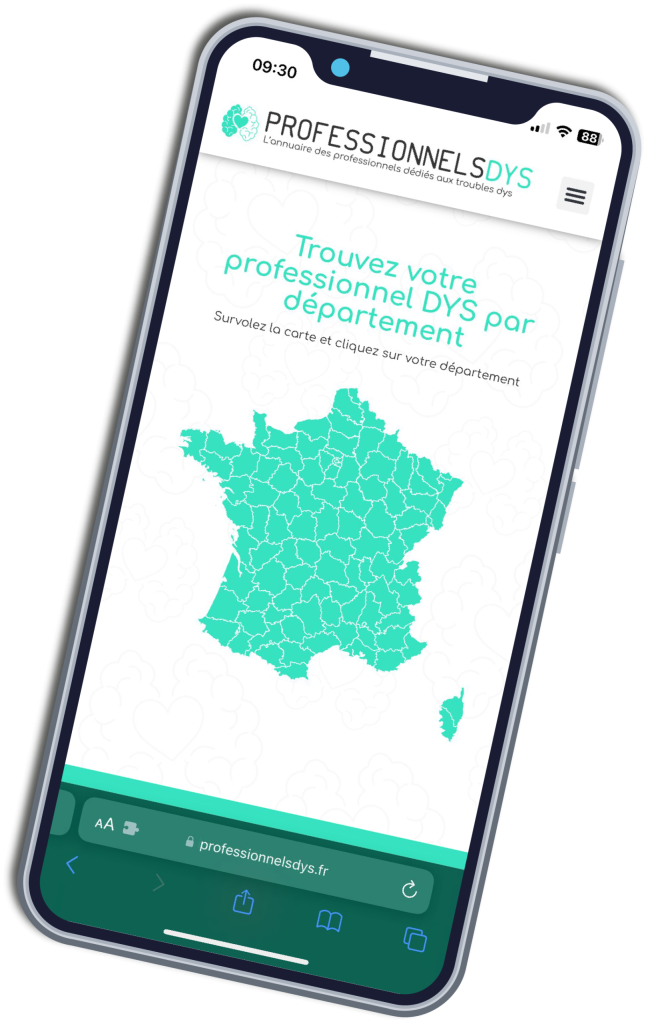
To find a psychomotor therapist or a psychologist near you, the ProfessionnelsDys directory allows you to search by town and by profession. You sometimes have to wait several months. It is best to contact several practices. The different professionals are presented on the page who to consult for ADHD.

Chat with parents of children with dys disorders

A space for exchange, listening and support dedicated to parents of children with DYS disorders

Frequently asked questions

Can ADHD be diagnosed in nursery school ?

Rarely before the age of six, as restlessness is common at that age. Professionals look at the intensity and persistence of the difficulties.

Which games suit a restless nursery child ?

The statue game, memory, action songs and very short board games.

Do routines help ?

Yes, a picture chart of the steps of the day reassures the child and helps them find their way.

Discover the articles published recently

Advice, favourites and DYS news every week.

Subscribe here.

Dysorthographie.fr

A media from the LesDys.fr group

The number one media on Dys disorders