Letdah.fr a media powered by

the no.1 media on Dys disorders

ADHD exercise: doing homework

Homework is often a source of tension in families of children with ADHD. The child dawdles, gets up constantly, gets worked up, forgets what they were supposed to do. Parents become exhausted. Yet there are ways to organise this time so that it goes better. Here is a concrete, step-by-step method.

A often difficult moment

After a school day in which they have had to make a great effort to stay attentive, the child with ADHD often comes home tired. They need to let off steam. Asking them to get back to work straight away is difficult. They resist. Conflicts flare up.

It is important not to turn homework into a daily battle. We look for an organisation that respects their needs. We lighten what can be lightened. We talk to the teacher if the workload is too heavy. Homework is covered on the page ADHD and homework.

Choosing the right time

We avoid starting homework as soon as the child gets back from school. They first need a time to relax: a snack, a play session, some physical activity. They release the tension of the day. After this break, they settle down more easily. A regular time for homework is set.

This regularity helps the child get organised. They know when homework starts. They prepare for it. They resist less. The moment becomes part of their routine. Routines are presented on the page ADHD and routines.

A calm workspace

The place where homework is done matters a great deal. A quiet corner, away from the television and foot traffic. A tidy desk, with only the necessary equipment. Facing a wall rather than a window. Good lighting.

We prepare the equipment before starting: pencils, rubber, ruler, exercise books. The child does not have to get up to look for something. They stay focused. Some children prefer to work in the kitchen, near a parent. We try out what suits. To gradually extend working time, see the page on staying focused for longer.

The only online directory dedicated to professionals working with Dys disorders

A list and steps

We start by looking together at the planner and listing the homework. We break each task into small steps. We can begin with the easiest, to start gently. Or with the hardest, when the child is at their freshest. We test what works best.

The child ticks off each completed step. They can see what is left. They are not discouraged by the quantity. They make progress. They finish. Other useful lists are offered on the page on getting organised with a list.

Short sessions and breaks

We divide homework time into short sessions suited to the child’s age. Ten minutes for a primary school child, fifteen to twenty for a secondary school pupil. We use a timer. When it goes off, the child takes a short break of a few minutes. They move around, drink something, relax.

These breaks help them recharge their attention. They return more focused. Every minute of work counts for more. Homework ultimately goes faster. Conflicts decrease. Time management is covered on the page on managing your time.

The parent's role

The parent does not need to do the homework in the child’s place, nor explain everything again. Their role is to support: help with getting organised, encourage, and stay nearby to help the child refocus. They can sit beside them at first, then gradually move away. They praise efforts. They stay calm.

If the child gets stuck on a concept, we do not insist for an hour. We note the difficulty for the teacher. We move on to something else. We protect the relationship. If homework is too hard to manage at home, homework clubs or a student tutor can take over. To know when to call on an outside helper, read the page on private tuition.

When to ask for help

If homework remains a source of conflict despite these adjustments, it is useful to talk to the teacher to lighten the workload. A psychologist or a specialised coach can also suggest tailored strategies. Parent guidance helps parents cope better with these moments. You should not stay on your own. Solutions exist.

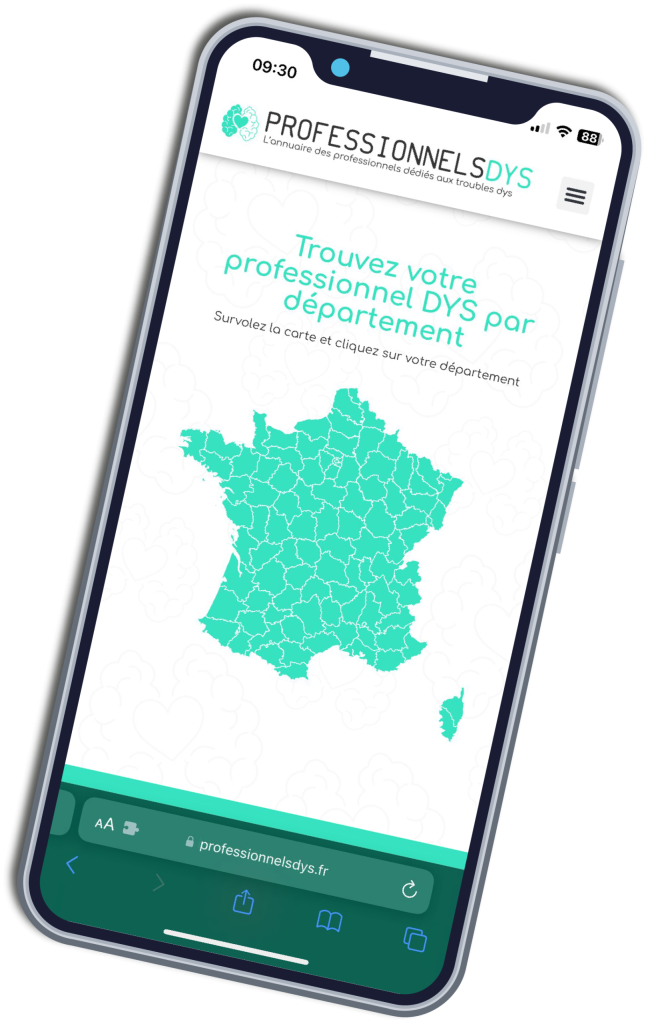
The ProfessionnelsDys directory helps you find a psychologist, a coach or another professional by town. Some specialise in school organisation, which their profile indicates. Homework organisation is detailed on the page organising homework.

Chat with parents of children with dys disorders

A space for exchange, listening and support dedicated to parents of children with DYS disorders

Frequently asked questions

When to do homework with a child with ADHD ?

After a period of relaxation, at a regular time, and never as soon as the child gets back from school.

How to organise the session ?

With a list of homework broken into steps, short sessions with a timer, and breaks to move around.

Must the parent explain everything again? ?

No, their role is to support, encourage and help with getting organised. Difficulties are reported to the teacher.

Discover the articles published recently

Advice, favourites and DYS news every week.

Subscribe here.

Dysorthographie.fr

A media from the LesDys.fr group

The number one media on Dys disorders