He starts answering before the question is finished, switches off in the middle of an explanation, interrupts, and has not heard half of what he was told. Listening to the end is often difficult for a child with ADHD. Their attention wanders elsewhere, or their impulsivity drives them to jump in. Here are fun exercises to train listening.
Really listening requires keeping your attention on the other person’s voice, ignoring distractions, and holding back the urge to speak. In a child with ADHD, these three skills are often fragile. It may seem as though they are not listening, when in fact they heard the beginning. They simply switched off. Or they have already answered in their head.
Adults may think they are rude or indifferent. In reality, they need help learning to listen. We train them with games. We also adapt the way we speak to them. They make progress. Family situations are described in mon enfant n’écoute pas.
Reading or telling stories to a child trains their listening. We choose stories suited to their age and tastes. We read with expression, varying the voices. We pause from time to time to ask a question. What has just happened?
Audiobooks are also a good resource. The child listens alone, in a quiet place. They can draw at the same time, which sometimes helps them stay attentive. We then talk about the story. They retell what they remember.
A simple game is to choose a magic word before reading a story. Each time the child hears that word, they clap their hands, raise a hand or make a gesture. They must listen carefully so as not to miss it. They must also not react to words that sound similar. They have fun.
You can choose several words, each with a different gesture. For the wolf, they growl. For the forest, they raise their arms. The child has to stay very attentive. They work on listening and on controlling their reactions. Selecting information is worked on in the page on spotting a target among others.
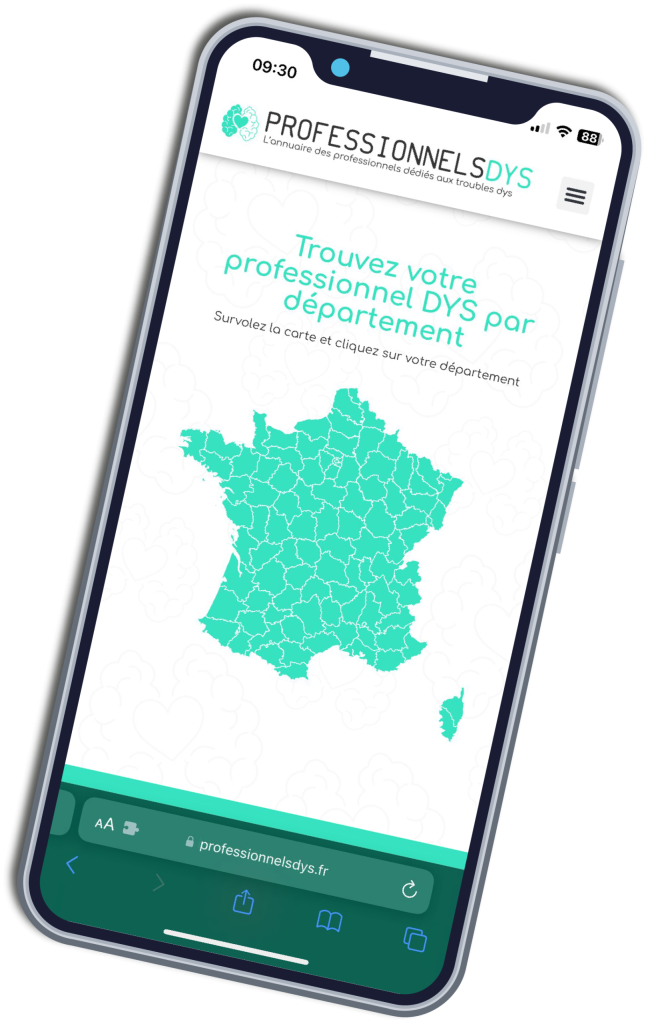
The only online directory dedicated to professionals working with Dys disorders
We record or make everyday sounds: a creaking door, running water, a cat meowing. The child closes their eyes and guesses. They concentrate on what they hear. They calm their body. They sharpen their listening.
You can also go on a listening walk: stop, close your eyes, and list all the sounds you can hear. Birds, a car, the wind. The child discovers there are many sounds around them. They learn to tell them apart. This moment is also relaxing. Mindfulness uses this type of exercise, as the page on mindfulness shows.
To learn not to interrupt, you can use an object that passes on the right to speak. No object, no speaking. Once their idea is expressed, they pass it to the next person. The child knows when it is their turn. They learn to wait.
You can also practise restating what the other person said before answering. You said that. The child has to have listened to the end. They show they have understood. Then they respond. Waiting for one’s turn is developed on the page on waiting one’s turn.
Adults can also help the child listen by adapting the way they speak. Position yourself facing them, at their level. Wait until they look before beginning. Choose short sentences. Check that they have understood.
Avoid long speeches, which they will not be able to follow to the end. Break explanations into parts. Use gestures or images. Repeat if necessary, without getting irritated. They listen better. These principles also apply to instructions, as explained on the page on following an instruction.
If the child struggles a great deal to listen, it may be useful to check their hearing, to rule out a physical problem. The doctor can prescribe a hearing assessment. If hearing is normal, listening difficulties are often linked to attention. A psychologist or psychomotor therapist can then work on listening in sessions. A speech and language therapist may also step in if understanding language is the issue.
Psychologists, psychomotor therapists and speech and language therapists are listed in the ProfessionnelsDys directory, town by town. The profiles specify the disorders they support. A first phone call lets you see whether you get on. The difference from a language disorder is explained on the page ADHD or developmental language disorder.
A space for exchange, listening and support dedicated to parents of children with DYS disorders
Because listening requires keeping attention focused, ignoring distractions and holding back the urge to speak.
The magic word: the child makes a gesture each time they hear a chosen word in a story.
With an object that passes on the right to speak, and by training them to restate what the other person said before answering.
Advice, favourites and DYS news every week.
Subscribe here.
Dysorthographie.fr
The number one media on Dys disorders